
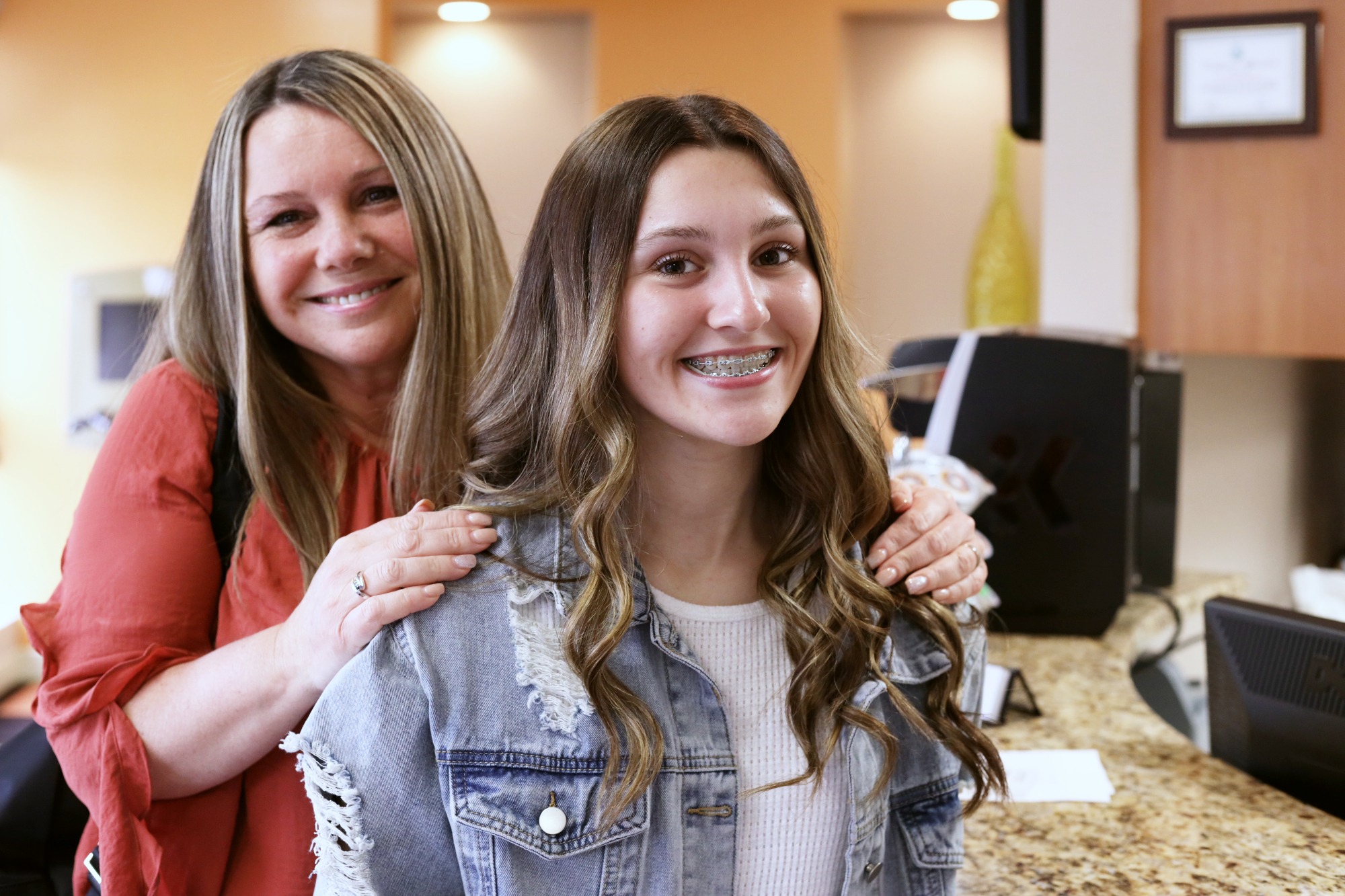
Wondering when your child should first see an orthodontist? The answer is simpler than most parents expect, and the timing matters more than you might think. Early visits lay the groundwork for healthier smiles, easier care later, and fewer surprises as your child grows.
Below, you’ll find a parent-friendly guide to that first visit, what happens, and the signs that may mean your child needs to be seen sooner rather than later.
When Should a Child First See an Orthodontist?
The American Association of Orthodontists (AAO) recommends every child have their first orthodontic evaluation by age 7. By that age, most kids have a mix of baby and permanent teeth, which gives your Monroe Township orthodontist a clear view of how the bite is developing and how the jaws are growing.
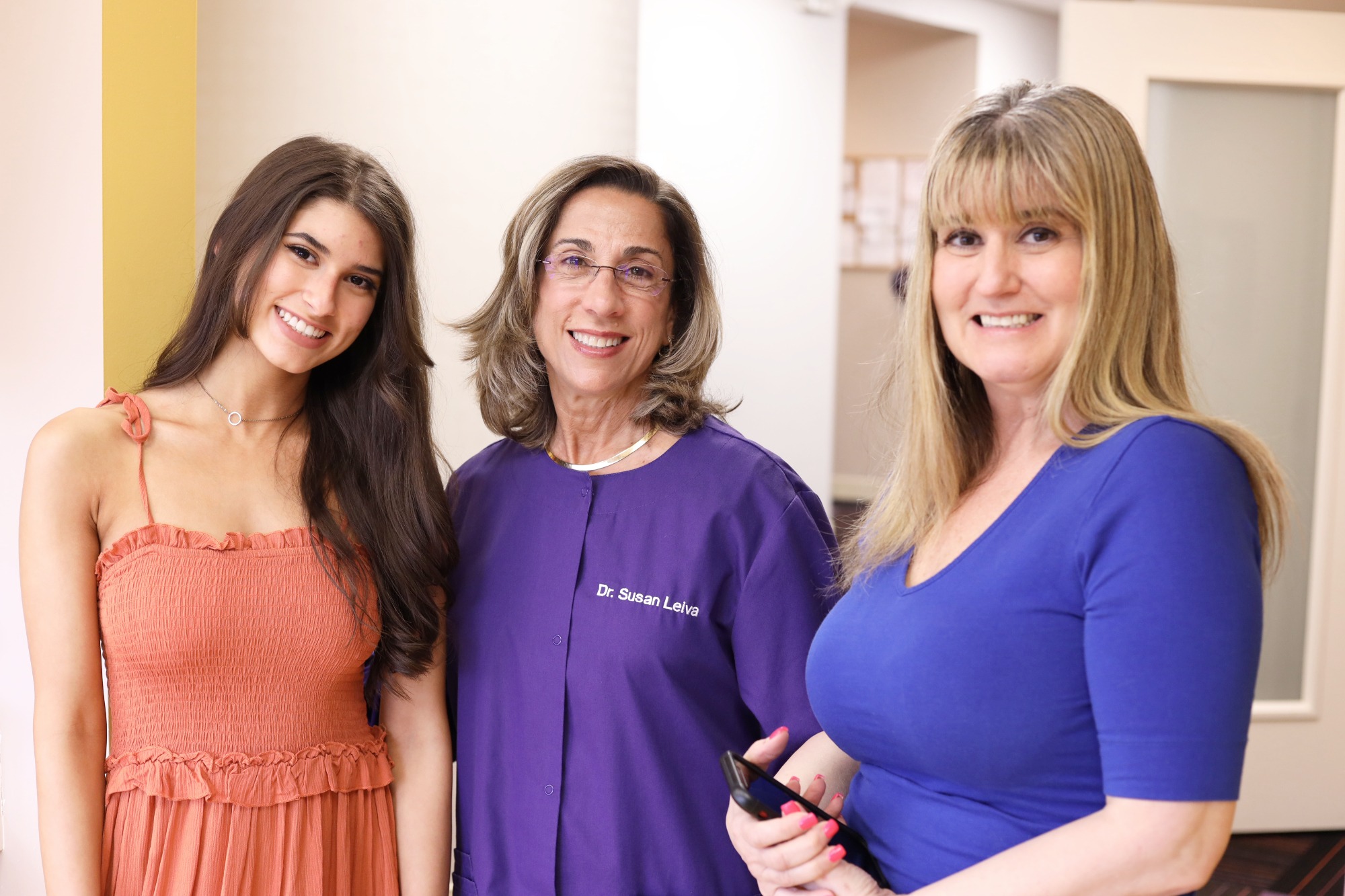
Here’s the part that surprises most parents: an early evaluation almost never means early braces. The majority of children who come in at age 7 are simply monitored over time. Dr. Susan Leiva, DMD, uses that first visit to spot small issues that are easier to address while the jaws are still growing, and to reassure families when everything looks on track.
At Monroe Orthodontics, we offer a free, no-pressure consultation for children of all ages. Whether your child is 7, 10, or already a teen, Dr. Leiva and our team will walk you through what we see and what (if anything) needs to happen next.
What Happens at Your Child’s First Orthodontic Visit
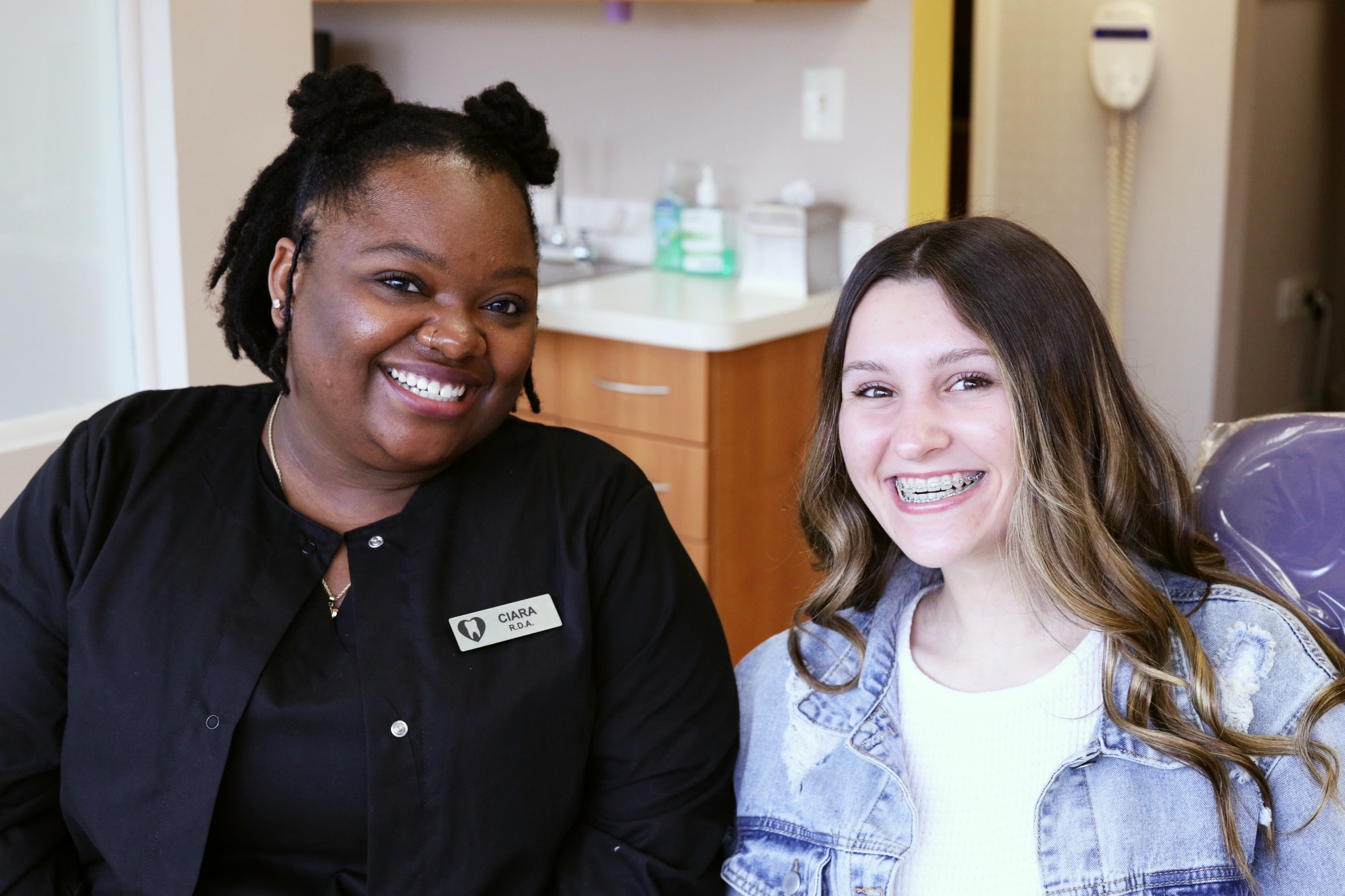
Your child’s first visit at Monroe Orthodontics is relaxed and friendly. Most first visits last 30 to 60 minutes, and the goal is to understand your child’s smile, not to pressure anyone into starting a smile journey.
Here’s what you can expect:
- A warm welcome and a tour. We want your child to feel at home from the moment they walk in.
- Visual exam. Dr. Leiva checks the teeth, jaw alignment, bite, and how the upper and lower teeth fit together.
- Painless digital X-Rays or scans. These show the developing permanent teeth, root positions, and jaw structure that we can’t see from the outside.
- Review of medical and dental history. We’ll ask about habits like thumb-sucking, mouth breathing, teeth grinding, or any speech concerns.
- A clear explanation of findings. Dr. Leiva will show you what she sees and explain whether your child needs monitoring, Phase 1 care, or can simply wait until more permanent teeth come in.
- A conversation about timing. We’ll discuss observation visits, Phase 1 options, or waiting for Phase 2, whichever fits your child best.
Prefer to start from home? We also offer a virtual consultation, which is a great way to get a professional opinion from your Monroe Township orthodontist before scheduling an in-office visit. Either way, you’ll leave with a clear plan and no obligation to begin care.
Benefits of Early Orthodontic Evaluation
Early evaluation matters because kids’ jaws are still growing. That growth is a tool Dr. Leiva can guide, and once it’s gone, it’s gone. Catching things early often leads to simpler care and better outcomes over time.
Key benefits of an early orthodontic evaluation include:
- Guides jaw growth while bones are still developing and flexible, which often prevents more involved care later.
- Creates space for permanent teeth so crowded or blocked-out teeth have room to come in correctly.
- Corrects bite issues early, including crossbites, underbites, and open bites, before they get harder to address.
- Addresses harmful habits like thumb-sucking, tongue thrust, and prolonged pacifier use that can push teeth and reshape the jaw.
- Often shortens or eliminates braces later. Some kids skip full braces as teens because the groundwork was done early.
- Supports speech, chewing, and confidence. A balanced bite helps kids speak clearly, eat comfortably, and smile without hesitation.
- Reduces the risk of trauma to protruding front teeth, which are more likely to chip during sports or falls.
- Builds a relationship with your orthodontist so your child grows up comfortable in the chair.
Even if no treatment is recommended at age 7, these monitoring visits are gold. Dr. Leiva can watch for small changes over time and act at the right moment, not too early and not too late.
Phase 1 vs Phase 2 Orthodontic Treatment
Not every child needs two phases of care. In fact, many kids skip Phase 1 entirely and move straight to Phase 2 as teens. But when Phase 1 is recommended, it’s because something specific needs attention while the jaws are still growing.
Here’s a quick comparison to help you understand the difference:
| Feature | Phase 1 (Interceptive) | Phase 2 (Comprehensive) |
|---|---|---|
| Typical age | 6–10 years old | 11+ years old |
| Teeth present | Mix of baby and permanent | Mostly or all permanent |
| Common appliances | Palatal expanders, space maintainers, partial braces | Full metal braces, clear braces, or Invisalign |
| Main goals | Guide jaw growth, correct bite issues, create space | Align the full smile and refine the bite |
| Typical duration | 6–12 months, then a rest period | 12–24 months |
| Who needs it | Kids with crossbites, severe crowding, or habit-related issues | Most teens needing full alignment |
Phase 1 is sometimes called interceptive care. The goal isn’t a complete smile yet, it’s to set up the long-term plan. After Phase 1, there’s usually a resting period while the remaining permanent teeth come in.
Phase 2 is the full smile stage. This is when most kids get traditional braces, clear braces, or Invisalign for Teens to finish aligning everything.
Dr. Leiva will only recommend Phase 1 if your child genuinely benefits from it. For many families, the answer is simply “let’s keep watching,” which is exactly the point of coming in early.
Signs Your Child May Need to See an Orthodontist Sooner
Age 7 is the general guideline, but some kids benefit from being seen even earlier. If you notice any of the signs below, go ahead and schedule a free, no-pressure consultation. It’s always better to ask than to wait.
Watch for these signs:
- Early or late loss of baby teeth. Baby teeth that fall out well before or well after expected can affect how permanent teeth come in.
- Difficulty chewing or biting. Food that gets stuck, kids who avoid certain textures, or jaw fatigue during meals.
- Speech difficulties. Lisps, mumbling, or difficulty with certain sounds can sometimes trace back to tooth or jaw positioning.
- Mouth breathing or snoring. These can signal airway or jaw development concerns worth evaluating.
- Thumb-sucking past age 5. Prolonged thumb-sucking shifts teeth and reshapes the roof of the mouth.
- Crowded, blocked, or crooked permanent teeth. If adult teeth are coming in behind or in front of baby teeth, call us.
- Jaw sounds or shifting. A jaw that pops, clicks, or shifts to one side when biting down is worth checking.
- Visible bite issues. Underbite, overbite, crossbite, or an open bite where front teeth don’t meet.
- Protruding front teeth. These are more vulnerable to injury during sports or play.
- Facial asymmetry. If one side of the face or jaw looks noticeably different, an evaluation can help identify why.
If any of these sound familiar, don’t wait. Dr. Leiva can tell you quickly whether it’s something to act on now or something to simply monitor over time.
Frequently Asked Questions
Is age 7 too young for braces?
For most 7-year-olds, yes, it’s too young for full braces. The age 7 visit is an evaluation, not a treatment appointment. Most children at this age are simply monitored, with any care starting later if and when it’s truly needed. A small group of kids benefit from Phase 1 interceptive care, but that’s the exception, not the rule.
Do I need a referral from my pediatric dentist?
No, you don’t need a referral to see your Monroe Township orthodontist. Parents can self-refer at any time. Many pediatric dentists do recommend an evaluation around age 7, but you’re welcome to call Monroe Orthodontics directly and schedule a free, no-pressure consultation whenever you’re ready.
What happens if we wait until my child is older?
Waiting is sometimes fine, and sometimes it isn’t. Certain bite and jaw issues become harder and take longer to correct once the jaws stop growing. Early evaluation lets Dr. Leiva flag anything time-sensitive so you can make an informed choice rather than a rushed one.
What’s the difference between a pediatric dentist and an orthodontist?
A pediatric dentist focuses on children’s overall dental health, including cleanings, cavities, and gum care. An orthodontist completes additional years of specialty training focused specifically on tooth alignment, bite correction, and jaw development. The two work together. Your pediatric dentist cares for the teeth, and Dr. Leiva guides how they fit and function together over time.
Will my child get braces at the first visit?
Almost never. The first visit is an evaluation. Dr. Leiva uses it to understand your child’s bite, jaw growth, and incoming permanent teeth, then explains what she sees. If care is recommended, you’ll have time to ask questions and decide what works best for your family.
How often should we return if no treatment is needed?
If your child is in the monitoring phase, we typically recommend check-in visits every 6 to 12 months. These short visits let us track jaw growth and tooth eruption so care, if needed, can begin at the right time. Visits are relaxed, quick, and part of making sure your child’s smile stays on track.
Ready to find out where your child stands? Schedule a free consultation with Dr. Leiva and the team at Monroe Orthodontics in Monroe Township. Whether your child needs early guidance or simply a thumbs-up to keep smiling, we’re here to help your family feel confident about every step. Call us at 609-409-1700 or book your free, no-pressure consultation online today. You and your family will always feel welcome here, because changing smiles, changing lives is what we love to do.
 Dr. Leiva