Choosing who treats your smile is a big decision. While your family dentist plays an essential role in your oral health, moving teeth and correcting bites is a different skill set entirely. Understanding the orthodontist vs. dentist question helps you pick the right expert for the right job, especially when braces or Invisalign are on the table. If you’re weighing your options in Middlesex County, knowing when to see your Monroe Township orthodontist can save you time and second-guessing down the road.
What’s the Difference Between an Orthodontist and a Dentist?
All orthodontists are dentists, but only a small percentage of dentists are orthodontists. A dentist cares for your overall oral health, including cleanings, fillings, crowns, and gum care. An orthodontist is a dental specialist who completed additional years of residency training focused entirely on moving teeth, correcting bites, and guiding jaw development.
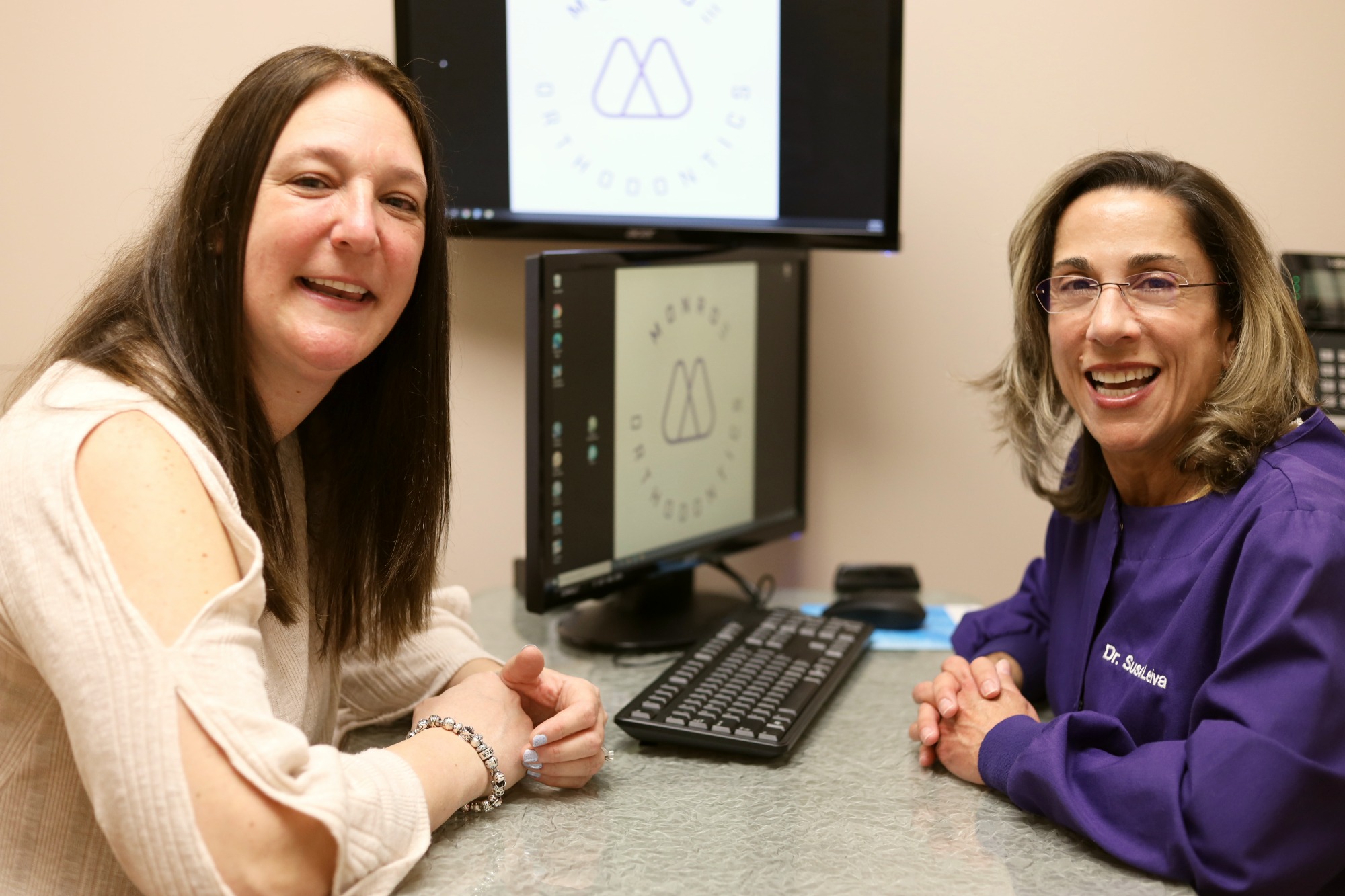
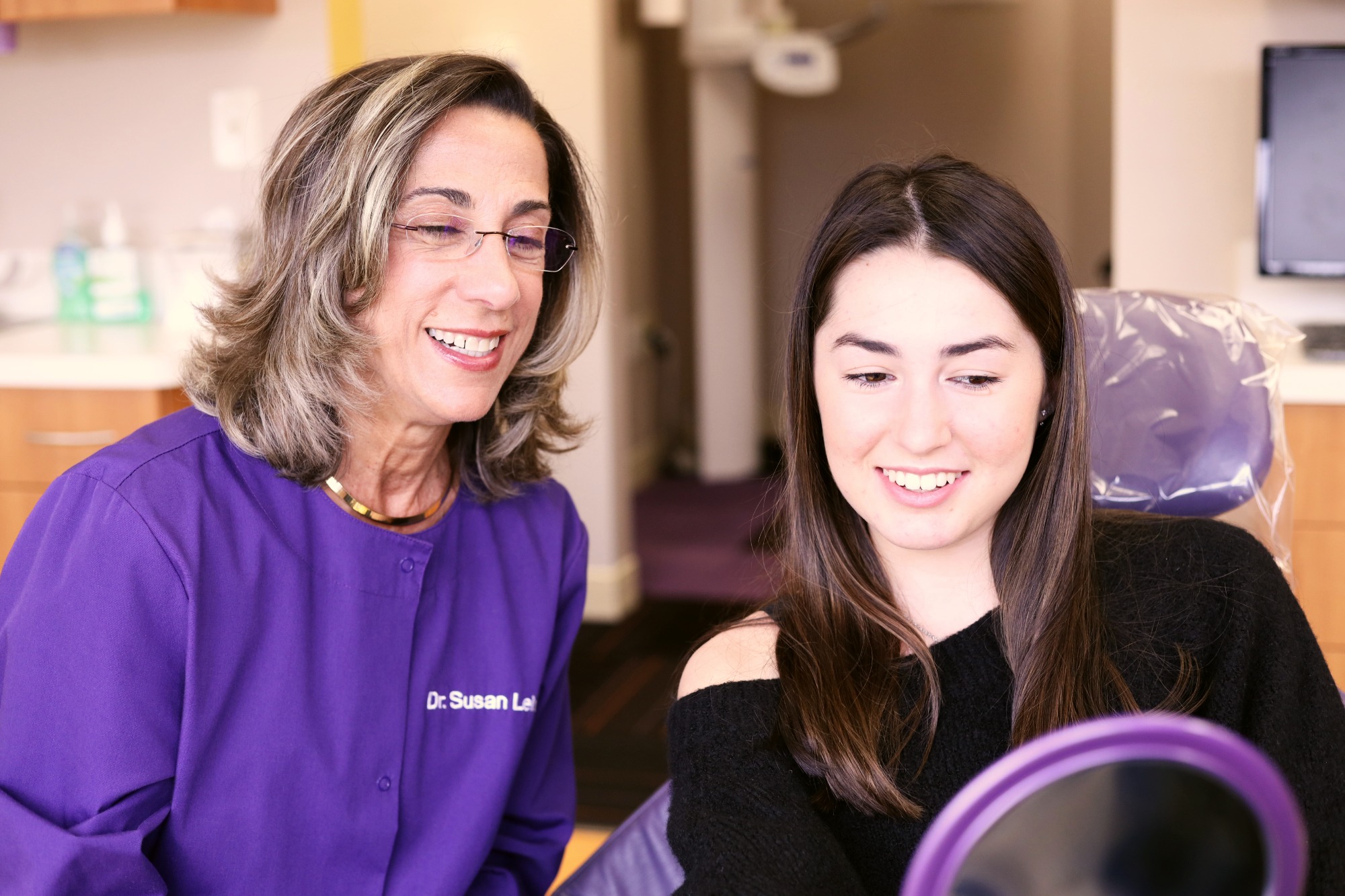
Think of it like primary care versus a specialist. You trust your family doctor for most things, but when you need focused expertise, you see someone who’s trained for that specific area. At Monroe Orthodontics, Dr. Susan Leiva has dedicated her career to this specialty.
That’s why your dentist may handle a filling beautifully but refer you out when it’s time to straighten teeth. Both roles matter. They just aren’t the same job.
How Orthodontist Training Goes Beyond Dental School
The training path explains why specialists see smiles differently. Here’s how the two careers compare:
- Dental school: Both dentists and orthodontists complete 4 years of dental school, earning either a DDS or DMD degree.
- Residency: Orthodontists then complete an additional 2-3 years of full-time, accredited residency focused only on orthodontics and dentofacial orthopedics.
- Clinical hours: Residency includes thousands of hours studying biomechanics, tooth movement, growth patterns, and bite stabilization.
According to the American Association of Orthodontists, this specialty training is what separates a specialist from a general dentist who offers braces or aligners on the side.
Dr. Susan Leiva, DMD completed this specialty path so she could focus her entire practice on changing smiles, changing lives. Every day at Monroe Orthodontics is spent planning tooth movement, refining bites, and understanding how each case will hold up years down the road. That depth of experience shapes every treatment plan.
A dentist’s training covers a huge range of oral health topics. An orthodontist’s training goes narrow and deep in one specific area: how teeth and jaws move, settle, and stay stable.
Benefits of Choosing an Orthodontic Specialist
When you choose a specialist, you’re choosing years of focused expertise applied directly to your smile dreams. Here’s what that means for you:
- More accurate diagnosis. Bite issues like crossbites, open bites, and jaw asymmetry are easy to miss without specialized training. Dr. Leiva evaluates how your teeth, bite, and jaw work together as one system.
- Precision treatment planning. A specialist doesn’t just straighten teeth. The goal is a stable, functional bite that lasts, not just a pretty front row that shifts back in a few years.
- Advanced technology. Monroe Orthodontics uses tools built for orthodontic care, including painless digital X-Rays and digital planning that maps every tooth’s path.
- Experience with complex cases. Specialists handle crowded teeth, missing teeth, surgical cases, and relapses regularly. You won’t be referred out mid-treatment because something unexpected comes up.
- Better finishing details. Those last few months of treatment are where specialists really shine. Fine-tuning the bite, closing small spaces, and balancing the smile line take practiced hands.
- Want long-lasting results? Your customized treatment plan includes a retention strategy designed to protect the work you invested in.
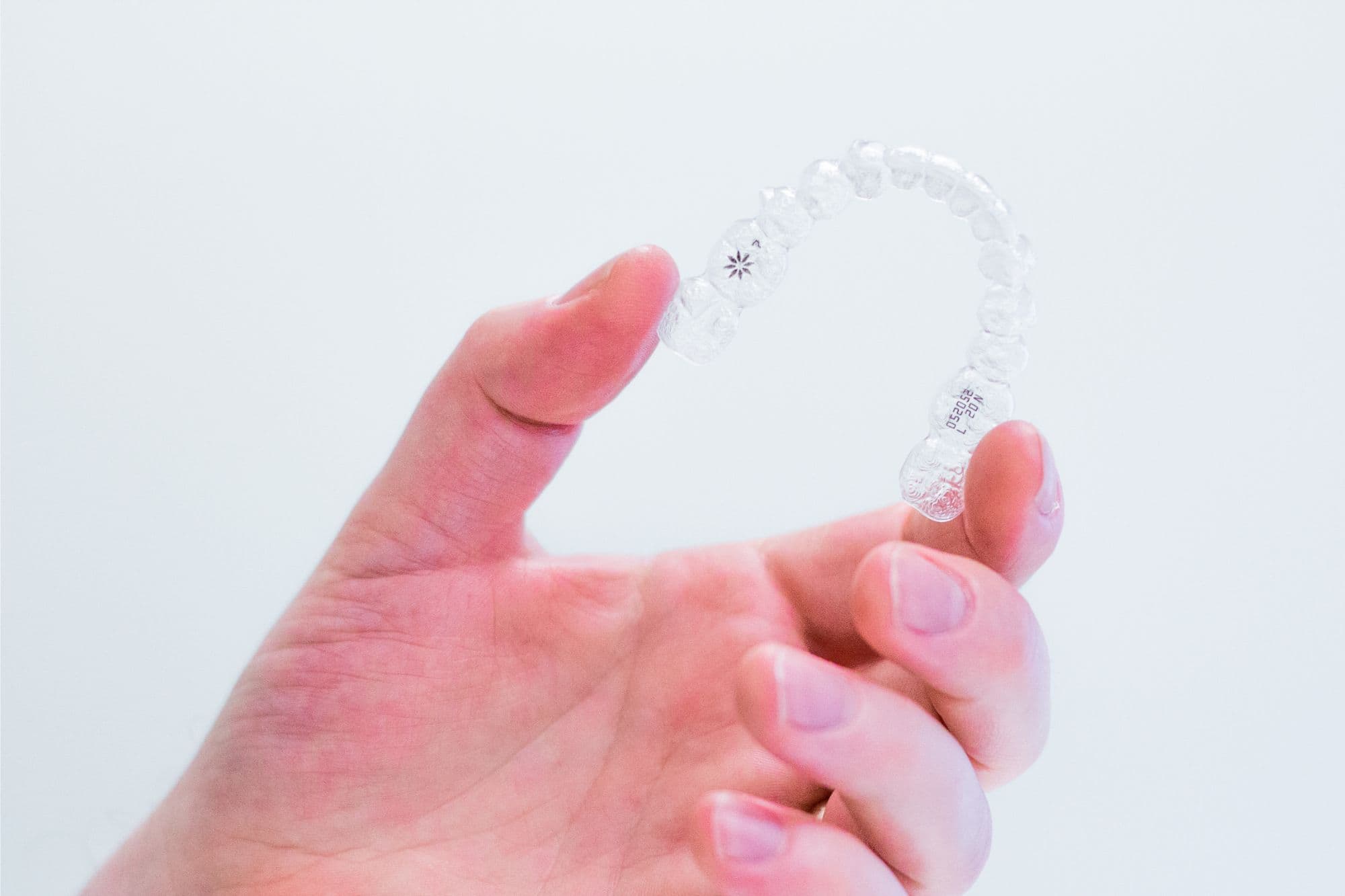
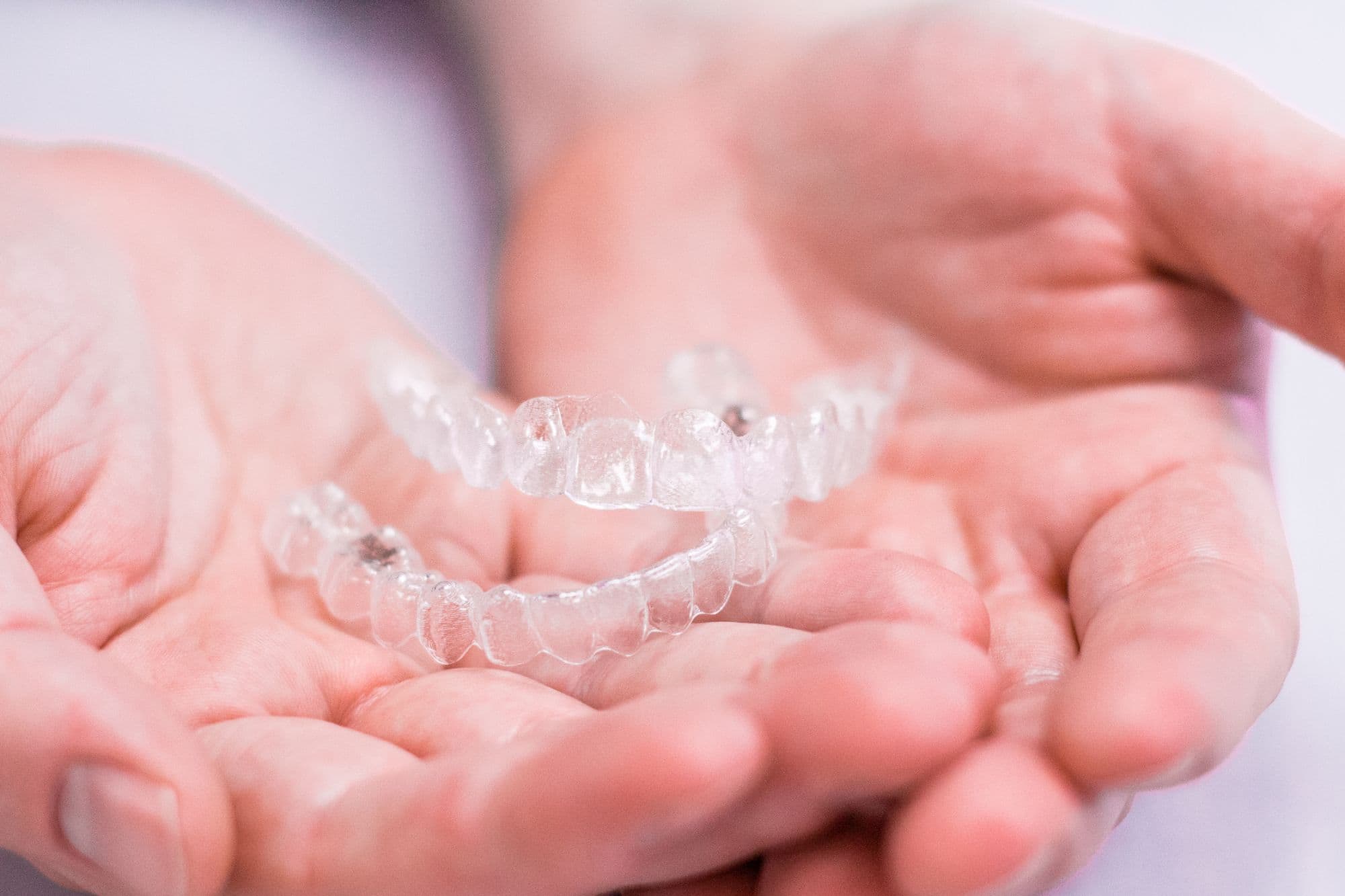
As an Invisalign Gold+ provider, Dr. Leiva and the team at Monroe Orthodontics bring specialist-level planning to every case, whether you choose Invisalign, clear braces, or metal braces. You and your family deserve a result built to last.
Orthodontist vs. Dentist: Side-by-Side Comparison
Here’s a quick way to see how the two providers compare when it comes to changing smiles:
| Category | General Dentist | Orthodontic Specialist |
|---|---|---|
| Training after college | 4 years (DDS/DMD) | 4 years + 2-3 year residency |
| Primary focus | Overall oral health | Tooth movement and bite correction |
| Typical services | Cleanings, fillings, crowns, extractions | Braces, Invisalign, bite correction, jaw alignment |
| Case complexity | Basic alignment, often “social six” front teeth | Full-arch correction, complex bites, growth guidance |
| Tools used | General dental equipment | 3D imaging, custom appliances, digital planning |
| Retention planning | Basic | Specialized, long-term stability focused |
The social six point matters. Many dentists who offer short-term aligner programs focus only on the six front teeth you see when you smile. That can look nice at first, but it often ignores how your back teeth bite together. A specialist looks at your whole mouth, not just the front window. The difference shows up a year or two later, when a bite that was never balanced starts to shift and crowd again.
When You Should See an Orthodontist Instead of a Dentist
Not every dental question needs a specialist. But when it comes to moving teeth or correcting bites, these situations call for a specialist:
- Crowded, crooked, or gapped teeth that need true alignment, not just cosmetic touch-ups.
- Bite issues including overbite, underbite, crossbite, open bite, or deep bite.
- Jaw tightness, clicking, or TMJ-related discomfort that may be connected to how your teeth come together.
- Children age 7 and up. The American Association of Orthodontists recommends a first orthodontic evaluation by age 7 to catch issues while the jaw is still growing.
- Previous orthodontic relapse or complex cases that may need extractions, expanders, or growth guidance.
- Adults considering Invisalign who want specialist-level planning rather than a short-term aligner program.
If any of these sound like you or your family, a free consultation with Dr. Leiva at Monroe Orthodontics is a great next step. You’ll get an honest look at whether treatment is needed and what your options are.
Frequently Asked Questions
Why choose an orthodontist over a dentist?
An orthodontist has completed 2-3 extra years of specialty residency focused only on moving teeth and correcting bites. That depth of training means more accurate diagnosis, better treatment planning, and results built for long-term stability. For anything involving braces, Invisalign, or bite correction, a specialist brings expertise your general dentist typically doesn’t have.
What can an orthodontist do that a dentist can’t?
Orthodontists are trained to diagnose and treat complex bite issues, guide jaw growth in children, plan full-arch tooth movement, and handle cases involving extractions, expanders, or surgical coordination. They also have specialized retention planning to help your new smile stay put. While some dentists offer basic aligners, they aren’t trained to manage the full range of orthodontic situations.
Can a dentist improve your smile?
A dentist can enhance your smile through cleanings, whitening, veneers, crowns, and bonding. For simple cosmetic touch-ups, that may be enough. But if your teeth need to be moved, your bite needs correction, or your jaws aren’t aligning properly, a specialist is the right choice. Moving teeth safely requires orthodontic training.
Can I get Invisalign at a dentist, or should I see an orthodontist?
Both dentists and orthodontists can offer Invisalign, but the planning behind the aligners makes a real difference. A specialist like Dr. Leiva designs each stage based on specialized knowledge of how teeth move through bone, how bites stabilize, and how to finish with a comfortable, balanced result. As an Invisalign Gold+ provider, Monroe Orthodontics brings specialist-level planning to every Invisalign case.
Do I need a referral from my dentist to see an orthodontist?
No referral is needed. You can schedule a free consultation at Monroe Orthodontics directly. Many families come in on their own after noticing crowding, spacing, or bite concerns. Your dentist can share records if helpful, but it’s not required to start your smile with us.
At what age should my child first see an orthodontist?
The American Association of Orthodontists recommends a first orthodontic evaluation by age 7. At that age, enough adult teeth have come in to spot developing issues, and the jaw is still growing, so early guidance can be helpful. Most kids won’t need treatment right away, but an early visit gives Dr. Leiva a baseline to monitor over time.
Ready to see what a specialist can do for your smile? Dr. Susan Leiva and the team at Monroe Orthodontics would love to meet you and your family. Visit our Monroe Township practice at 2 Centre Dr STE 300, or call 609-409-1700 to schedule your free consultation. Let’s start your smile together.